
SCOLIOSIS SURGERY IN INDIA
Scoliosis surgery in India
Scoliosis is a sideways curve of the spine. Most curves are watched or braced; larger or worsening curves may need surgery. Spine teams in Delhi NCR correct scoliosis in children, teenagers and adults. We get the X-rays reviewed and send a plan and estimate.
Medical recommendations come from your qualified treating clinicians.
When scoliosis needs surgery
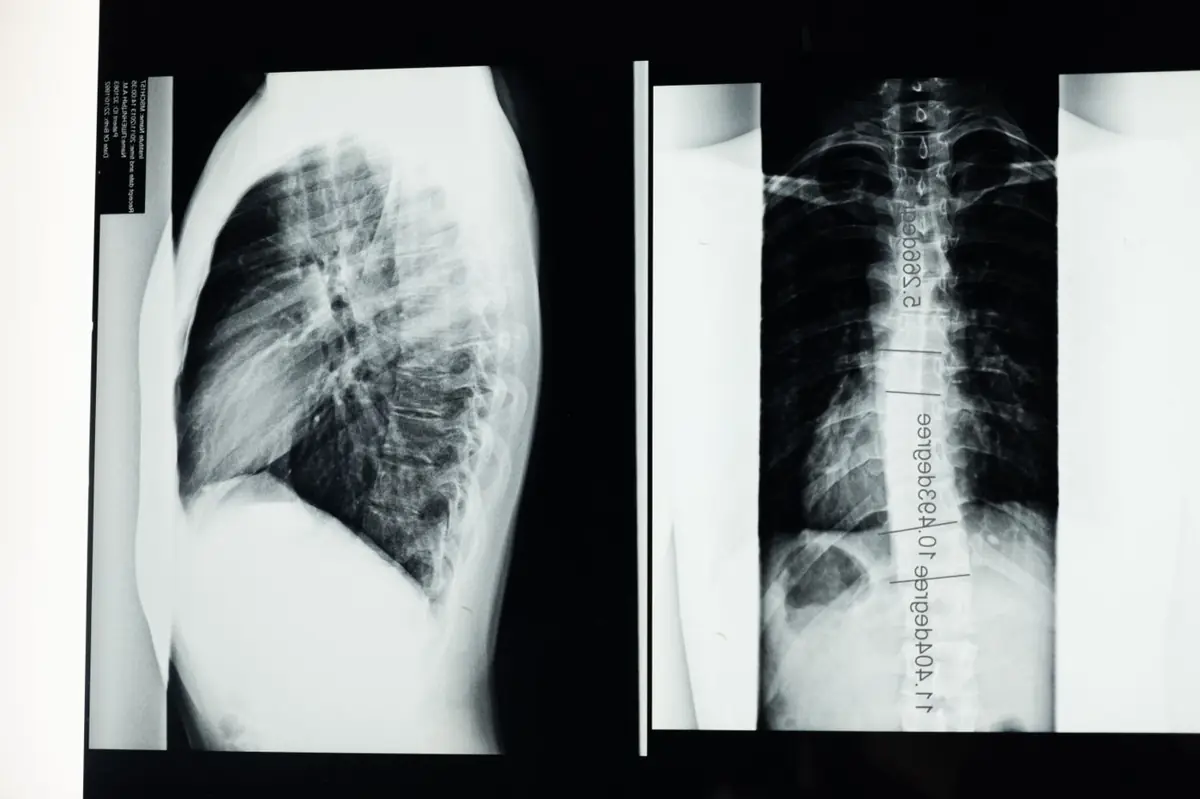
Small curves are monitored; moderate curves in growing children may be braced. Surgery is usually considered for large or progressive curves, often around 45 to 50 degrees or more, or when the curve affects breathing or causes pain.
- Posterior spinal fusion with screws and rods
- Growth-friendly surgery for young children
- Correction of adult and degenerative scoliosis
- Spinal cord monitoring during surgery
Why scoliosis surgery costs differ
The main factors are:
- The size and type of curve
- How many levels are fused
- Implants (screws and rods)
- Neuromonitoring and navigation
- Days in hospital and intensive care
What an estimate usually covers
Ask for the implants, neuromonitoring, intensive care and hospital days in writing.
How long to plan for in India
About three to four weeks in total, including tests, surgery, about a week in hospital and early recovery.
Choosing a scoliosis surgeon
Choose a spine surgeon who corrects scoliosis regularly and uses spinal cord monitoring.
Get your free scoliosis review
Send standing X-rays of the whole spine (front and side), any MRI and your child’s age. A spine surgeon reviews them and advises whether surgery is needed, with a written estimate.
Frequently asked questions
Does every scoliosis curve need surgery?⌄
No. Many curves are monitored or braced. Surgery is for large or worsening curves.
How much does scoliosis surgery cost in India?⌄
It depends on the curve and the levels fused. Surgeons send a written estimate after reviewing the X-rays.
Can adults have scoliosis surgery?⌄
Yes, for pain or worsening deformity, after careful assessment.
WHEN YOU’RE READY
Take the next step
at your own pace.
Start with a short enquiry. A coordinator can help you understand what information may be useful next.